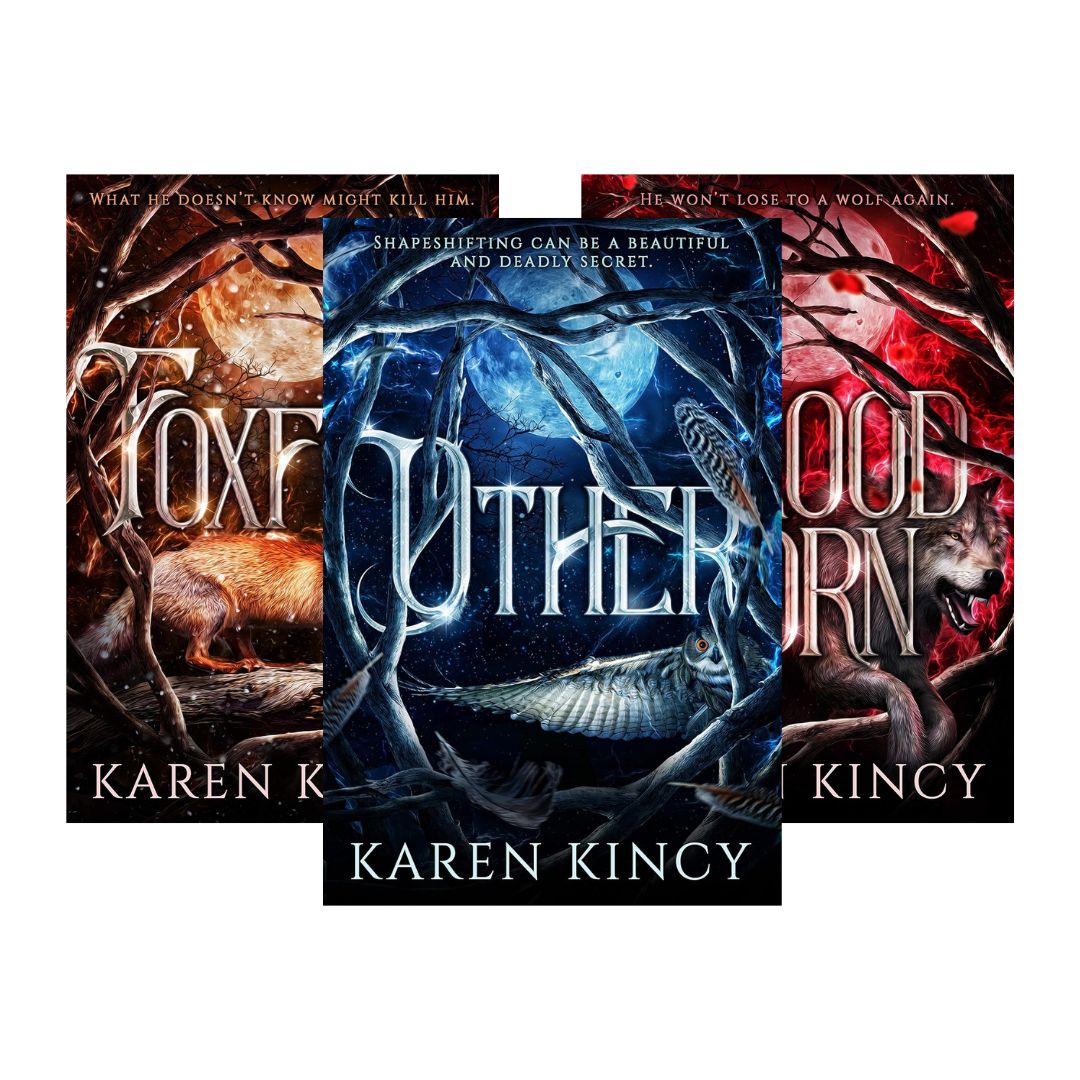
I hit the 8000-word mark on Bloodborn last night. I’m finding it very useful to have a near-complete synopsis handy while drafting. Also, I’m happy, in a silly way, that 20 people have added Other to their to-read lists on Goodreads so far.

Now, for the rambling ruminations portion of this blog entry. I’ve been comparing the first draft of Bloodborn with the near-final draft of Other and the in-between, on-submission draft of Unseen. I can see how my writing has grown over the years, but I’m not so sure how my writing process has evolved. I know I’ve gone from a sloppy-cheesy manuscript to a much richer one with Other, and that this happened due to numerous complete overhauls. (Anybody remember that 100-flashcard outline I blogged about ages ago?) The first draft doesn’t even resemble the one I have now. And after all that open-plot surgery, I can say I really do like what Other has become.

With Unseen, there was quite a bit less blood and exposed guts when I revised. I drafted it slower than Other, I believe, though I’m not sure. I definitely know that I was taking my time. Also, I held off on letting critiquers see the manuscript for quite some time, having learned my lesson about editing in circles based on conflicting input, too soon. I wrote Unseen primarily for myself, not for other eyes, trying to avoid any self-conscious decisions about where to take the book. Basically, I wanted to know what would happen if I looked at the already-crazy freshman year of college through the eyes of a struggling artist with albinism who discovers faeries and decides to sell them his soul in exchange for talent. Then I let it flow from there.

Unseen has been through some metamorphoses, though not nearly as many as Other. Of course, it isn’t nearly as old, either. And so I’m wondering how many revisions lie ahead for this novel, and how it will enrich and deepen with time. Because I suspect it isn’t possible to create a truly complex, multifaceted novel right off the bat, just like you can’t make wine from grape juice in a month. Better wine takes longer. Of course, improving your winemaking skills must have a huge effect on the final quality. But what if you try something different for each vintage? How do you know when one tastes just right? What have you learned over the years about process?