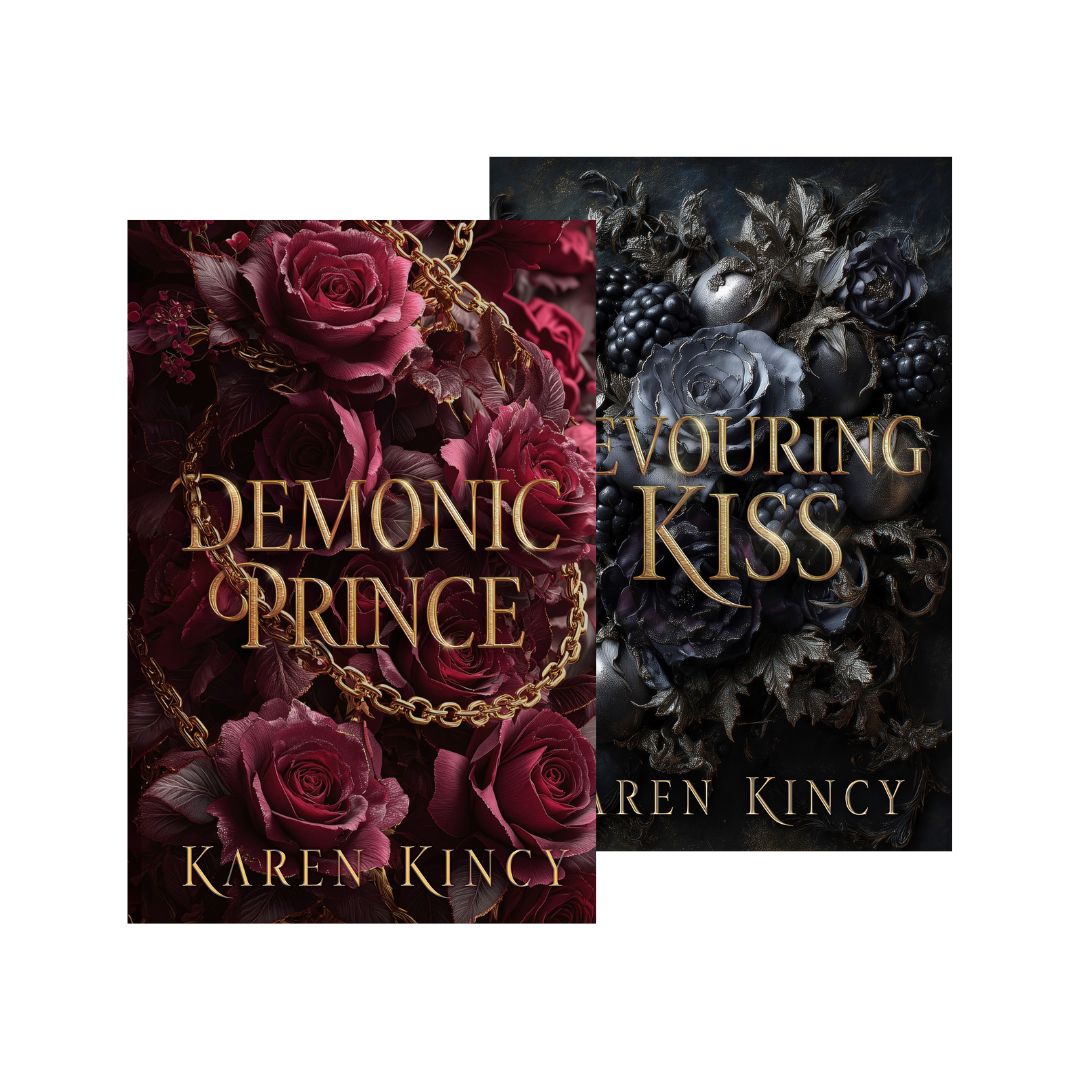
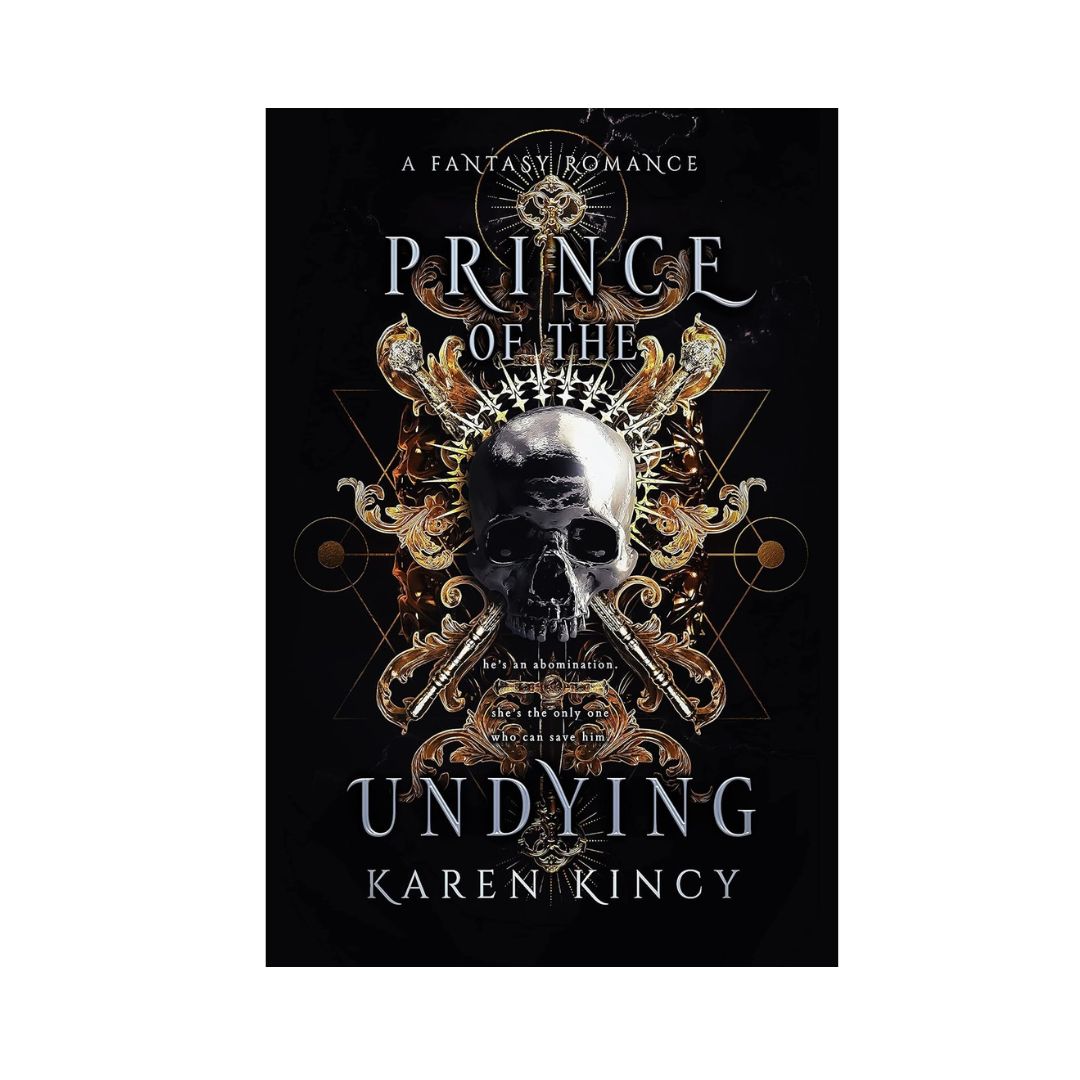
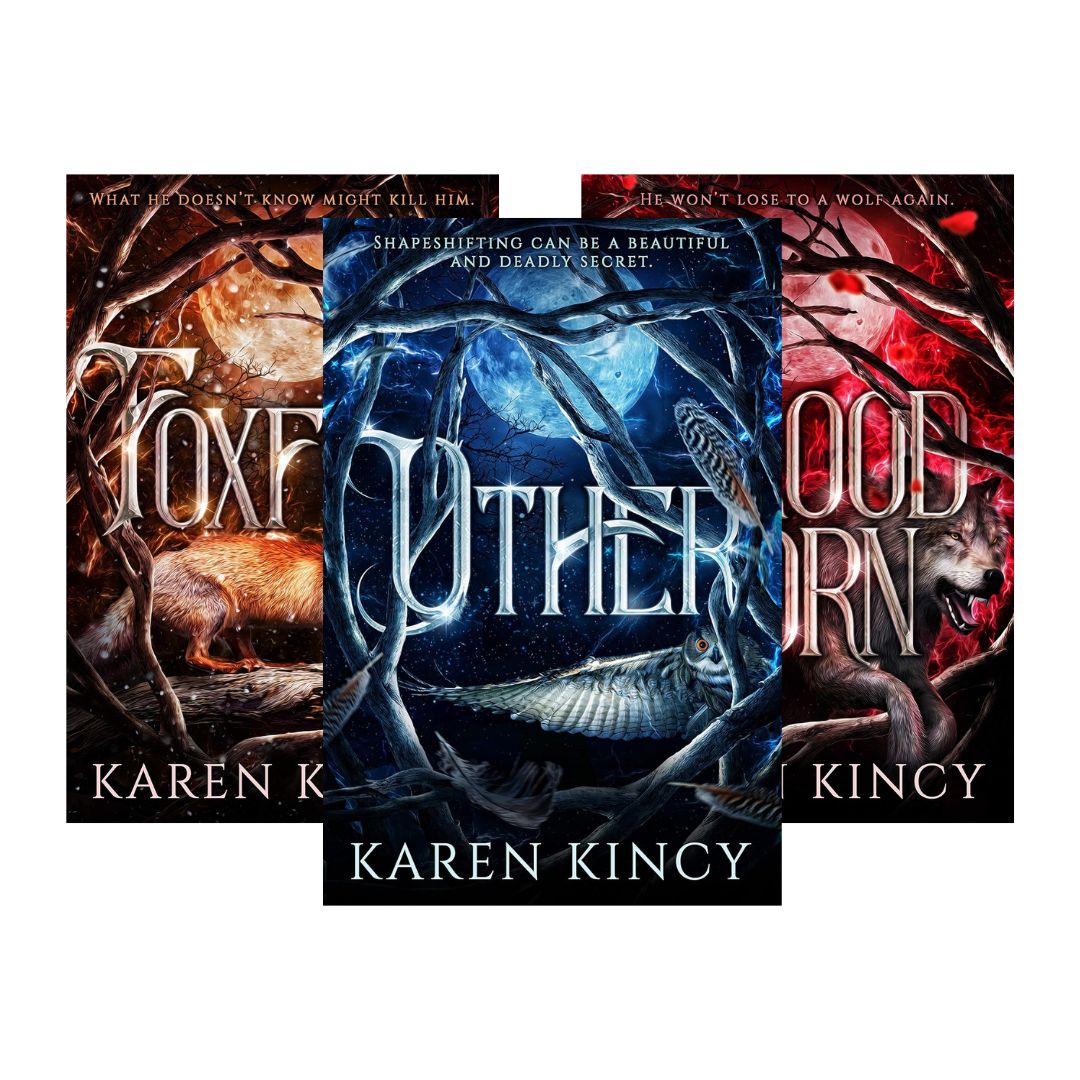
• I want to write a novel. Where should I start? My advice: write what you want to read. And this means you should be reading a lot, preferably in your genre. If you love young adult fantasy, read a lot of those books and see what’s out there. (Insert shameless plug for my novels here.) Are you seeing lots of werewolves and vampires but not enough winged people? If you’ve always been fascinated by angels, why not write a novel about them? Check out the other genres, too; sometimes the best ideas can cross genres. In the case of Other, I drew upon international folklore to populate my world with all sorts of paranormal people.
  • How does plot work? Or, plotting my novel is driving me crazy! Help! I would have to say that plotting is one of the things that challenges me the most. The first draft of Other had a plot totally different from the current draft.  During one revision, I used over 100 flashcards to sort out the plot; each flashcard had a scene written on it, and I color-coded the scenes according to what characters appeared in them and which subplot they belonged to (a little green tree for Chloe the dryad, a blue moon for the werewolves, etc.) After I had written on all my flashcards, I spread them out onto my bed and looked at which plot threads were too long and which were too short. The flashcards really helped me to see my novel’s plot in miniature.
  • Anyway, I would have to say that there’s no one right way to plot a novel (there never is a right way for anything in publishing, it seems.) Some writers meticulously outline before they ever write a word on the novel itself; others are seat-of-the-pantsers who sit down and start typing, figuring out the story on the fly. I like a little of both, and I also like drafting scenes out of chronological order. When I am stuck or bored with a particular scene, I check out my outline and decide to start working on a new scene or revise an old one. Later, I stitch them all together like squares of fabric into a quilt.

  • How does character work? Or, my characters feel cardboard. How can I make them realistic? For me, good characters are the guts of a good story. For the reader to really feel, they need to have an emotional attachment to your characters, at the very least your protagonist. I don’t even think you necessarily have to like the protagonist of the book, so long as you empathize with them and find them interesting. Humbert Humbert of Lolita comes to mind, though of course Vladimir Nabokov provided him an amazing narrative voice.
  • Which writing books do you recommend? Whenever I toss down a how-to book on writing and run to my own manuscript, I know the book did its job by inspiring and energizing me. That’s happened with: Writing the Breakout Novel by Donald Maass; The Plot Thickens by Noah Lukeman; Sin and Syntax by Constance Hale; Stein on Writing and How to Grow a Novel by Sol Stein; Writing Down the Bones and Writing on the Wild Side by Natalie Goldberg; On Becoming a Novelist by John Gardner.
  • How can I find someone to read and critique my writing? I started out at Critters, an online critique group with rules for diplomatic critiquing. There, harshly blunt feedback such as “I hate your main character” is discouraged, replaced instead by helpful input like “I think your main character comes across unsympathetic in chapter two when she slaps that boy. Maybe you should consider having the boy provoke her more, or change her slap into another insult.”
    Nowadays, I’ve found a few trusted critique partners who I use for my beta readers. Online networking can be a great way to discover the writers who will best suit both you and your writing. A piece of advice: every critique you get will, unavoidably, be subjective and opinionated. The tricky part comes when you, the author, have to decide what to take and what to scrap. Don’t be afraid to disagree, but arguing over a critique will, 95% of the time, get you nowhere new. Be diplomatic and gracious, but feel free to do whatever you want when it comes time to revise. It’s your writing, after all.
  • I’m already writing novels. How can I get published? For gobs more information than I can summarize, check out Verla Kay’s Children’s Writers and Illustrators Message Board. Since that’s something of a mouthful, it’s also known as the Blueboards. There you can find the combined wisdom of many, many writers who have been there, done that. I highly recommend doing more than lurking; if you join, you can ask whatever burning question you have, commiserate, or cheer for fellow writers.
  • Do I need a literary agent? Since many major publishers do not look at unagented submissions, I highly recommend looking at literary agents first. Agent Query is my top pick for doing this. You’re going to need a query letter to get an agent’s attention, most likely. See the next question below.
  • How do I write a query letter? Expect to put a lot of effort into writing a query letter. A query has a format completely different from that of a novel, and you may have never tried one before. A good query should be professional, since it is a business letter for starting a business relationship. Most importantly, include a great blurb for your novel. This blurb should look like the paragraph or two you see on the back cover of a novel: just enough information to tell you what the story is about, and why you should read it because it’s different or better than all the other books about faeries or whatever. For me, I like to write this blurb before I actually start the novel. It acts as a sort of miniature synopsis and helps me to stay focused as I write the actual novel. If you want to know more about queries, check out Agent Query and Verla Kay’s.